



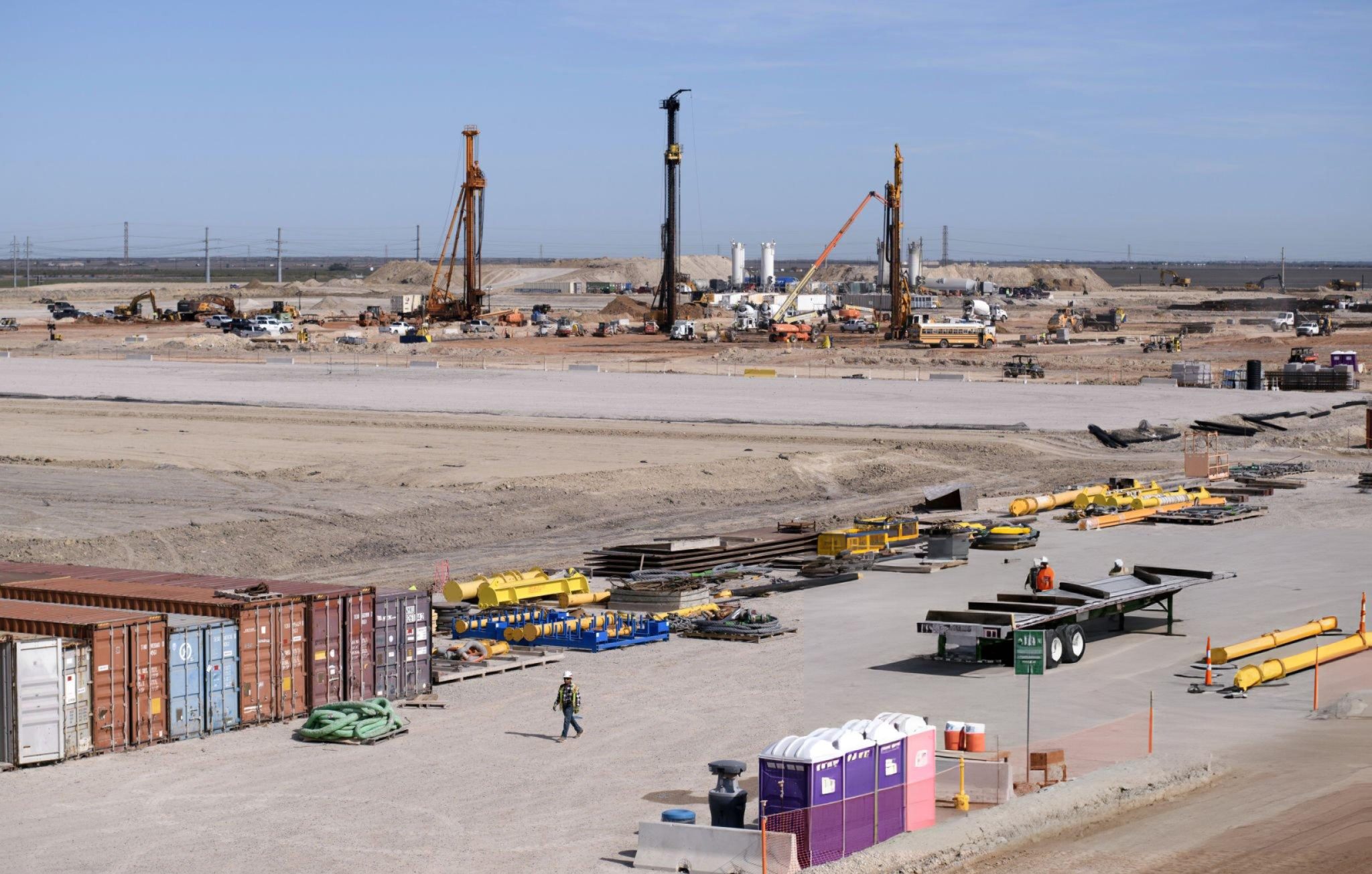

A $10 billion gas project that was originally stalled by a string of financial and regulatory hurdles on the Texas Gulf Coast has finally found a way to move forward. In the ambitious vision to create one of the largest natural gas export facilities in the U.S., billions of dollars now equal the investment in future energy. This resumption ranks among the largest developments seen on the Texas Gulf Coast, but it is also a landmark event in the global energy market.
The big energy companies launched the project with great expectation at the break of its early dawn. It targeted the increasing global market for LNG, wishing to displace coal and oil as major power generation sources. This location on the Texas Gulf Coast has been strategic with pre-established infrastructural provisions for such a huge LNG export facility, among other LNG projects.
It was, however, far from being a walk to realization. The project had cumulative delays and stops, fundamentally because it experienced financial and regulatory issues. The rising construction costs, volatile gas prices, and evolutionary movements in the world energy market introduced some uncertainty and placed heavy pressures on the project’s financial viability. In addition to these, the project’s progress was further complicated by regulatory approvals and environmental concerns.
But these setbacks did not deter the followers of the project in its completion. The latest breakthrough in this type of project followed a concoction of strategy adjustments and external factors favoring the completion of the projects. Of importance to all these were a series of negotiations and partnerships that were critical to addressing the fundamental concerns that allowed the project to enjoy financial support and regulatory approval.
Addressing added investment from domestic and overseas investors was seen to be very significant in removing the financial inhibition from the project. The normative consortium, through renegotiating with existing partners, went the extra mile in attracting new investors. Doing this, while taking into consideration the growing global demand for LNG, raised the project’s attractiveness in the eyes of potential stakeholders. It wasn’t until the price for natural gas stabilized and the global energy markets momentarily signaled some improvement that the project finally renewed its momentum and financial backing.
Regulatory approvals were another key part of the project revival. The consortium worked through close collaboration with the federal and state regulators to allay the environmental concerns and meet the regulatory requirements. The whole process involved environmental impact appraisal, considering the mitigation implemented to address the potential concerns. Successful resolution of the regulatory issues paved the way for the advancement of the project.
Apart from financial and regulatory concerns aside, it was the strategic importance of the Texas Gulf Coast as a center of energy that had driven the project forward. The infrastructure that already stood in the area with its developed pipelines, ports, and transportation networks was adequate in setting the groundwork for the establishment of an LNG export asset. The infrastructure comes in handy again as it not only aids in the movement of the natural gas but also the facility’s integration into the larger chain of energy supplies.
This resumption of the project may have a great bearing on the local and national economies. This construction and operation of the LNG export facility will create thousands of jobs, which in turn is hoped to boost the local economy of the Texas Gulf Coast region. Economic activity will also be stimulated from the requirement of construction materials to the provision of services and other secondary sectors.
More Read

On a broader scale, completing the LNG export facility will undoubtedly strengthen the United States in international energy markets. It will allow the country to export LNG to overseas markets, thereby reducing dependence on foreign countries for energy supplies and securing its position as the world’s leading energy producer. This fits within the longer-term strategic objectives of reducing energy dependence on other nations and strengthening the U.S. energy sector.
It also points to broader trends in the world energy situation: many countries around the world want to migrate to cleaner energy sources, and LNG is proving to be an essential ingredient in this change. The LNG export facilities in the United States will become an active player in the global energy thirst-quenching market, increasing the clean energy solutions around the world, thus achieving environmental sustainability.
This is no small achievement for the energy sector: the $10 billion gas project is being revived on the Texas Gulf Coast. Today, the project has crossed major hurdles to take off, thanks to strategic financial arrangements, regulatory cooperation, and the use of equally substantial infrastructure already within the region. The completion of this LNG export facility will bring economic blessings to this local community and the USA in the world energy markets. The success of this project is, above all, another powerful example of the ability to innovate and the tenacity in extremely difficult business conditions.

