




Israeli air strikes have forced the shutdown of Iran’s major petrochemical plants, including facilities operated by Mobin and Damavand in Assaluyeh, a key energy hub in southern Iran. The attacks targeted infrastructure supporting electricity, water, and oxygen supply, crippling Iran’s export capabilities.
Iran has condemned the strikes and warned of “more crushing” retaliatory attacks if assaults on non-military targets continue. Over the past month, Iranian forces have already targeted energy, aluminium, and desalination facilities in the Gulf.
The conflict escalates as ceasefire efforts remain uncertain. A 45-day ceasefire proposal mediated by Pakistan was reportedly rejected by Iran, which insists on a “permanent end” to the war.
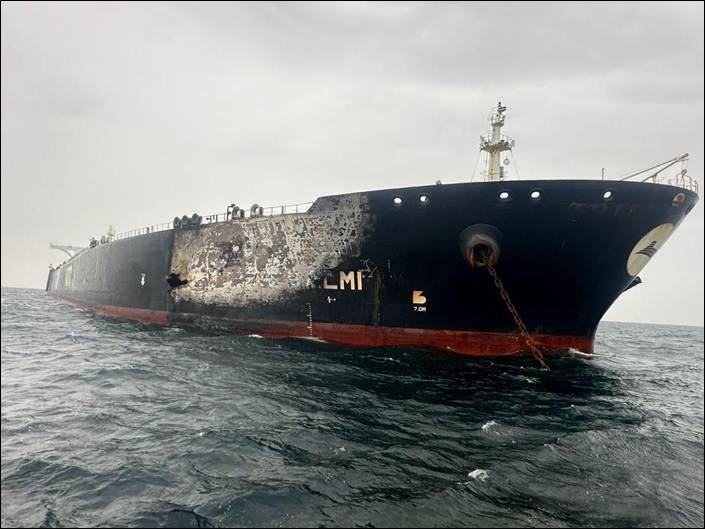
The situation has disrupted global energy flows. QatarEnergy tankers attempting to navigate the Strait of Hormuz were forced to abort their passage, while Saudi Arabia has raised oil prices to record highs amid constrained supply.
US President Donald Trump emphasized that Iran’s recent proposals were “significant but not enough” and threatened further strikes on bridges and power plants if Tehran does not comply. International calls for restraint continue, with EU officials describing attacks on civilian infrastructure as “illegal and unacceptable.”
Markets have responded cautiously: US stock futures and Asian indices rose slightly, while Brent and WTI crude showed mixed movements due to supply concerns in the Gulf.

