




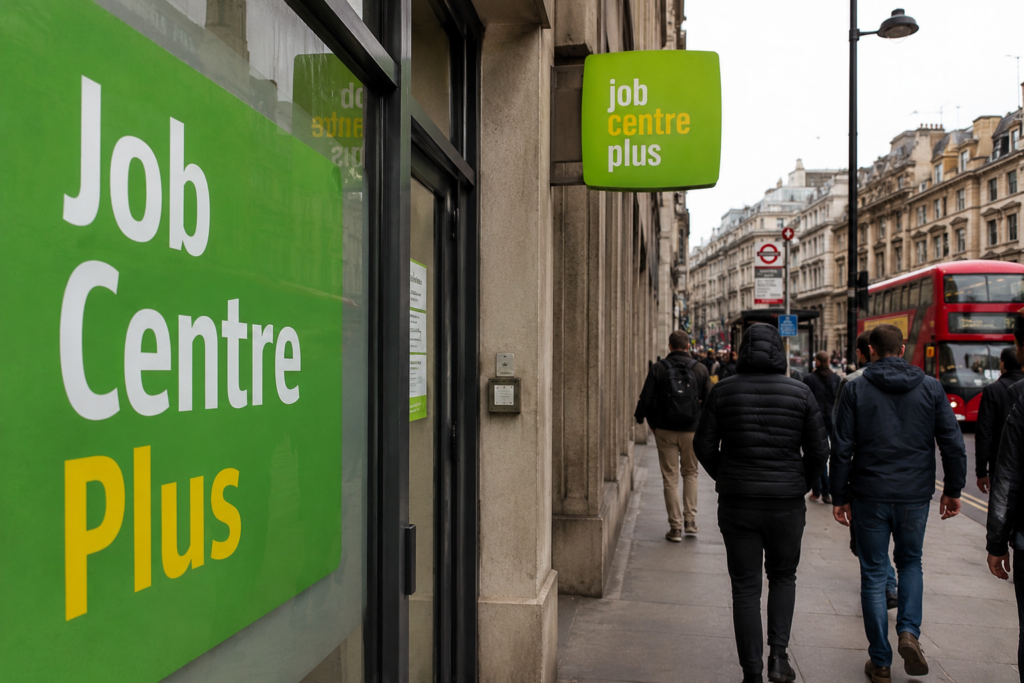
One in five working-age adults in Britain is not in paid employment, but some communities face significantly higher rates of worklessness than the national average.
The UK’s overall worklessness rate stands at around 21%, meaning roughly one in five working-age adults is not currently in paid employment. However, employment outcomes vary considerably between different migrant communities.
Based on the figures provided, Somali-born residents rank fifth, with around 35% of working-age adults not in paid employment. They are followed by Bangladeshi-born residents at 37%.
Pakistani-born residents occupy third place, with approximately 39% outside paid work. Afghan-born residents rank second, with a worklessness rate of 42%.
Topping the list are Iraqi-born residents, who reportedly have the highest worklessness rate among the groups examined.
Experts caution that worklessness figures alone do not reveal the full picture. Employment rates can be influenced by a range of factors, including language barriers, educational attainment, health conditions, childcare responsibilities, local job opportunities, and the challenges faced by refugees and recent arrivals.
Many migrants who arrive through humanitarian routes may take longer to enter the labour market as they adapt to a new country, improve language skills, or seek recognition for qualifications earned overseas.
The figures nevertheless highlight significant differences in labour market participation and raise questions about how policymakers can better support employment opportunities across all communities.
As Britain continues to debate immigration and integration, employment outcomes remain one of the key measures used to assess economic participation and long-term settlement success.

