




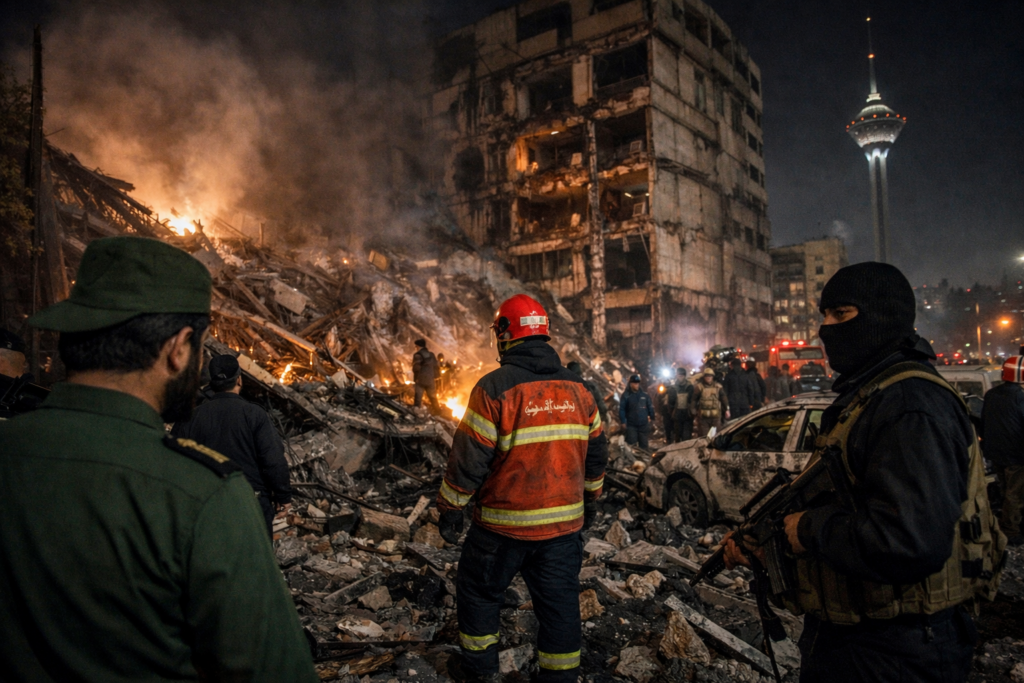
Reports have emerged that Ali Larijani, a senior figure in Iran’s political and security establishment, has been killed in an Israeli airstrike targeting Tehran. The claim, made by Israeli officials, has not yet been confirmed by Iranian authorities.
If verified, Larijani’s death would mark one of the most significant losses for Iran since the reported killing of Supreme Leader Ali Khamenei at the outset of the current conflict. The development signals a sharp escalation in the ongoing war between Israel and Iran.
Israeli defence officials stated that the strike was part of a broader campaign targeting senior Iranian leadership. Israel Katz, Israel’s defence minister, also claimed that Gholamreza Soleimani, a commander of Iran’s Basij paramilitary forces, was killed in a separate operation.
Larijani was widely regarded as a key strategist within Iran’s leadership, bridging both political and military spheres. Over the years, he held several influential positions, including parliamentary speaker and nuclear negotiator, playing a central role in shaping Iran’s foreign policy and internal security strategy.
In recent months, as tensions intensified, his rhetoric had reportedly become more hardline. He had publicly called for regional support against Western and Israeli actions and was actively involved in diplomatic outreach to Gulf states prior to the escalation.
The reported strike highlights Israel’s continued ability to conduct precision operations deep within Iranian territory, raising questions about intelligence penetration and airspace control. Analysts suggest that such operations could significantly destabilize Iran’s leadership structure at a critical moment in the conflict.
The broader war, now entering its third week, has already resulted in thousands of casualties and widespread disruption across the region. Strategic waterways such as the Strait of Hormuz remain heavily affected, threatening global energy supplies.
As of now, Iran has not issued an official statement confirming Larijani’s death. Until verification emerges, the situation remains fluid, with potential implications for both regional stability and international diplomacy.

