




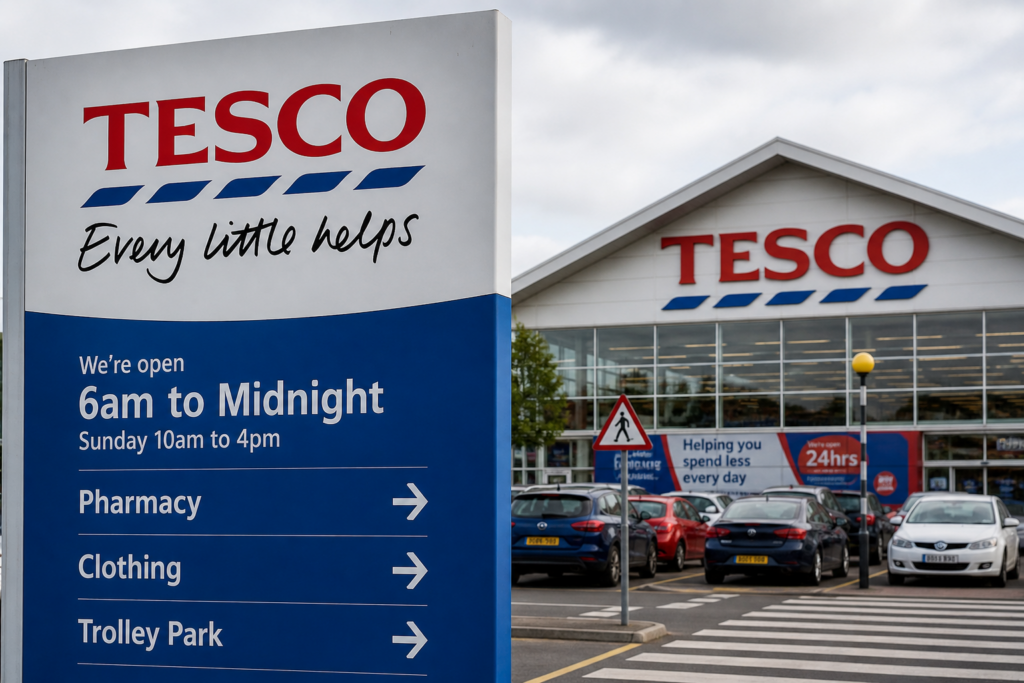
Tesco is facing renewed scrutiny in a long-running equal pay tribunal, after arguing that aligning pay between store workers and warehouse staff could cause “serious damage” to its business model.
The case, heard at an employment tribunal in Reading, centres on claims that tens of thousands of shop-floor employees—many of them women—have historically been paid significantly less than distribution centre workers, where the workforce is predominantly male.
A dispute stretching back years
The legal action began in 2018 and now involves around 60,000 Tesco employees, with claims covering pay differences between 2012 and 2018. The claimants are seeking up to six years of back pay, with legal representatives estimating potential liabilities running into billions of pounds.
Tesco, meanwhile, has argued that the potential financial exposure could reach well over £1 billion across its wider workforce, depending on the outcome of the case.
At the heart of the dispute is whether pay differences between stores and warehouses are justified by market conditions and operational requirements, or whether they amount to unlawful gender-based pay discrimination.
Tesco’s defence: “economic reality”
During proceedings, Tesco has relied on what is known as a “material factor” defence, arguing that pay differences are driven by legitimate business needs rather than gender.
The retailer maintains that its pay structure reflects “genuine pressing operational needs” and broader market conditions required to keep the business competitive and sustainable.
It also warned that forcing immediate pay parity could destabilise internal pay structures, potentially triggering industrial unrest and creating scenarios where some employees could earn more than their managers.
Tesco’s legal team argued that such outcomes would be inconsistent with “economic reality” for a retailer employing hundreds of thousands of staff across the UK.
Wider implications for retail sector
The case is part of a broader wave of equal pay litigation across the UK retail industry. Similar claims have been brought against major supermarket and retail chains, including Asda, Morrisons, and Next, all of which face allegations of unequal pay between store and distribution roles.
The outcome of the Tesco case is being closely watched, as it could set a significant precedent for how courts interpret pay structures in large, multi-site employers.
What happens next
The tribunal is expected to continue for several weeks, with a ruling likely later this year. Any decision could have major implications not only for Tesco but for retail employers across the UK, particularly those with large gender-segregated workforces.
References
- Financial Times reporting on Tesco tribunal proceedings (employment tribunal coverage, 2026)
- Retail Gazette coverage of Tesco equal pay legal arguments (2026)
- Leigh Day legal commentary on equal pay claims in UK retail sector (ongoing case materials)

