




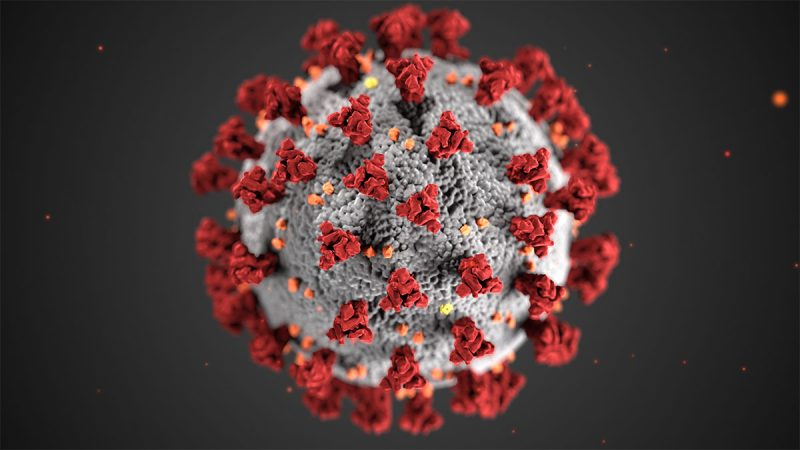
COVID-19 infections are rising across the United States this summer, although health experts say the current wave remains relatively mild compared with earlier stages of the pandemic.
Public health officials and infectious disease specialists say the virus is once again becoming more widespread, with increases reported across several regions of the country.
Dr. John Brooks, an infectious disease specialist at Emory University and former Centers for Disease Control and Prevention official, said COVID-19 is currently “ticking up pretty much everywhere” across the US.
Cases Rising Across Multiple Regions
The latest increase is particularly noticeable in the South and West, while infections are also rising in the Northeast and Midwest.
Despite the increase, experts say overall COVID-19 levels remain low. Hospitalisations and deaths are also continuing to remain below the levels seen during previous waves.
Brooks suggested that growing immunity from previous infections and vaccinations may be helping to reduce the severity of the current wave.
More people have now been exposed to the virus or received multiple vaccinations, giving the population greater protection against serious illness.
COVID Still Poses Risks
While the current surge appears less severe, experts warn that COVID-19 has not disappeared.
The virus can still cause significant illness, with some people experiencing symptoms for a week or two. Infections can also result in emergency-room visits, hospitalisation and, in some cases, death.
Older adults, infants and people with weakened immune systems remain particularly vulnerable.
Caitlin Rivers, an epidemiologist at Johns Hopkins University, stressed that people with underlying risk factors can still face serious consequences from COVID-19.
Why Does COVID Rise in Summer?
Unlike influenza, which generally reaches its peak during the colder months, COVID-19 has developed a pattern of both summer and winter increases.
Experts say the reason for this seasonal pattern remains unclear.
Rivers described COVID’s summer seasonality as something of a mystery, noting that it is unusual compared with other respiratory viruses.
The continuing summer increases mean that COVID remains a year-round public health issue rather than a disease limited to the winter season.
Vaccination Guidance Remains Complicated
The outlook surrounding COVID vaccines in the US has also become more complicated.
According to the report, the CDC has not issued updated recommendations for the latest vaccines amid legal disputes surrounding efforts by the Trump administration to change the country’s immunisation policies.
The administration no longer recommends that everyone aged six months and older routinely receive an annual COVID vaccination.
However, major medical organisations continue to recommend vaccination, while insurers have indicated that vaccines will remain covered.
Public health officials are concerned that differing recommendations could leave people confused about whether they should receive another dose.
New Protection Against Infection
Another potential tool is also becoming available.
The report highlights Xocova, a drug that can be taken shortly after exposure to COVID-19 and is designed to reduce the likelihood of developing the disease.
Experts expect such treatments could be particularly useful in settings such as hospitals and nursing homes, where vulnerable people may be exposed to the virus.
Experts Urge Continued Awareness
Although COVID-19 no longer dominates everyday life as it did during the pandemic’s peak, health experts say people should not completely ignore the virus.
Keeping vaccinations up to date, taking precautions in crowded settings and remaining aware of symptoms can help reduce the risk of infection and serious illness.
For most people, the current summer wave appears far less dangerous than earlier COVID surges. But for older adults and people with weakened immune systems, the virus remains a serious health concern.
The message from health experts is clear: COVID may have faded from the headlines, but it has not gone away.

