



WESTFERRY TIMES | Special Feature
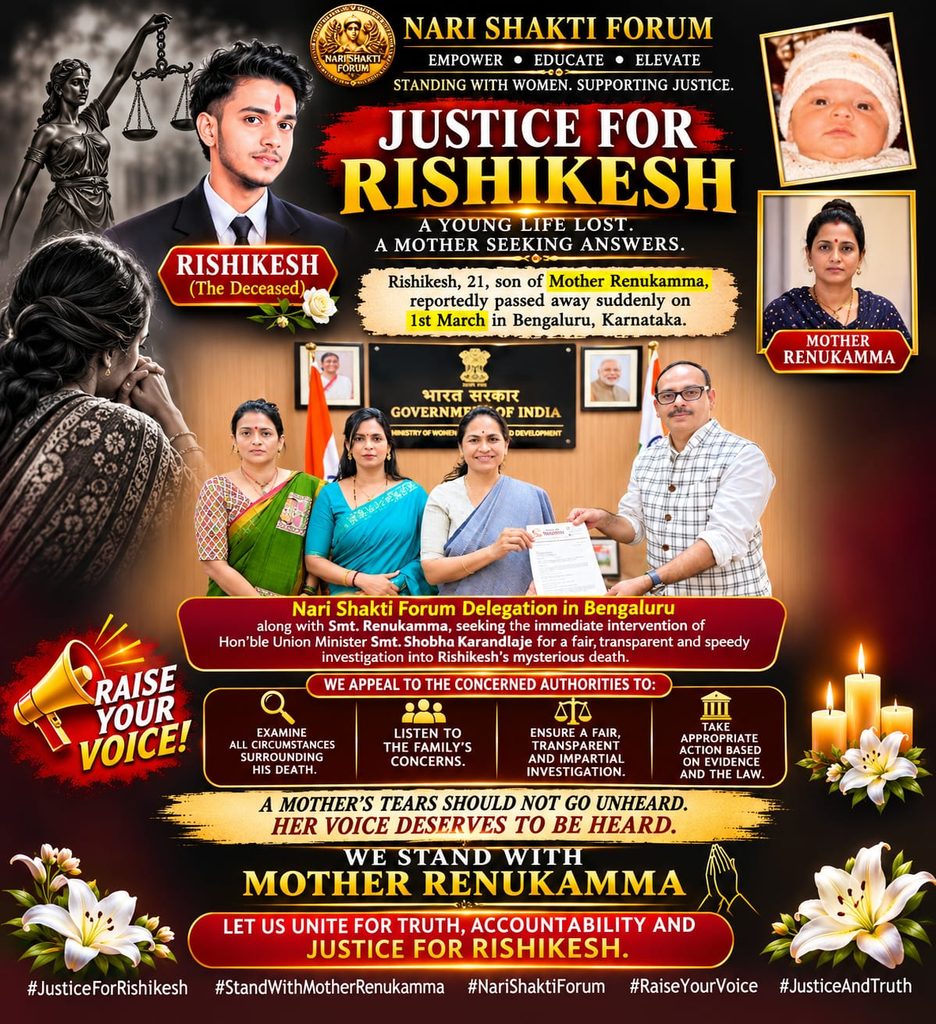
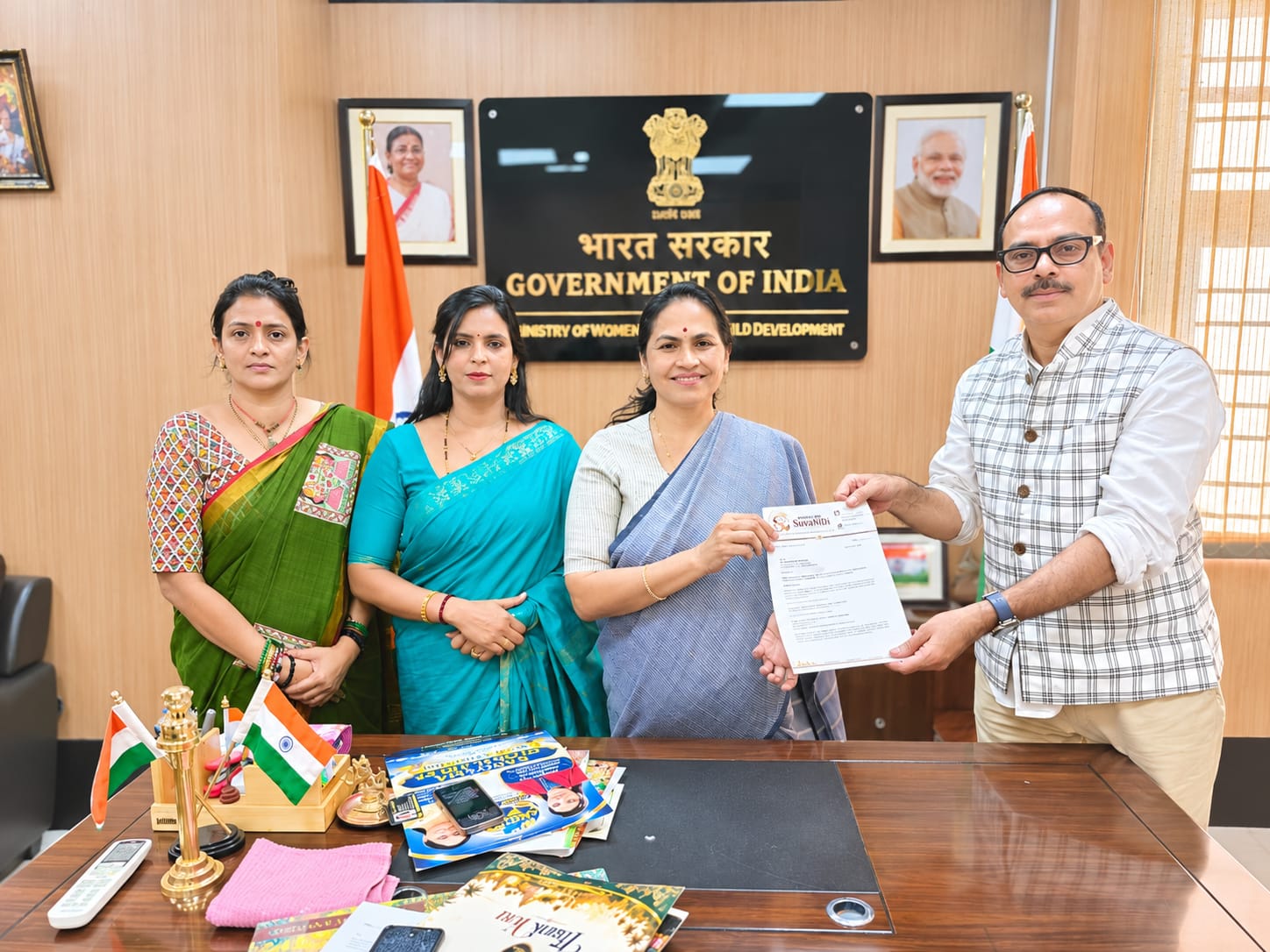
In the bustling administrative corridors of Bengaluru, a quiet yet resolute movement for accountability has taken center stage. Leading the delegation is Dr. Mohammad Nizamuddin, the founder of the Nari Shakti Forum (and Bharat Ke Anmol), accompanied by Smt. Renukamma, a grieving mother seeking answers following the mysterious death of her son, Rishikesh. Seeking the immediate intervention of Hon’ble Union Minister Smt. Shobha Karandlaje, the delegation has called for a fair, transparent, and expedited investigation to ensure that those responsible are held accountable under the law.
Behind the formal petitions and calls for institutional intervention lies a deeply personal bond forged through shared grief. After eight long months of waiting, Smt. Renukamma finally returned to collect the personal belongings her late son had left behind—accompanied every step of the way by Dr. Nizamuddin. As she gently sorted through his possessions, her silent grief spoke louder than words; each everyday item stirred vivid memories of the life he had lived. While such ordinary objects may hold little material worth to the outside world, to a grieving mother they are priceless—each piece carrying a cherished moment, an unspoken feeling, and an irreplaceable part of her child. Reflecting on that deeply personal visit, Dr. Nizamuddin noted that the greatest treasures are never made of gold or silver, but live on in the small, familiar things left behind by the people we love, where a mother’s devotion endures in every single memory.
For those who have followed Dr. Nizamuddin’s grassroots work across India, standing beside Smt. Renukamma during both her quietest moments of sorrow and her public fight for justice is neither a sudden gesture nor an isolated campaign. Rather, it is the latest chapter in a sustained mission dedicated to uplifting India’s most vulnerable communities—specifically impoverished families and women whose struggles often go unseen behind closed doors.
A mission rooted in compassion and action
Across urban neighborhoods and rural districts alike, Dr. Nizamuddin has built a reputation for hands-on social care that bridges the gap between marginalized citizens and institutional support. Rather than treating welfare as a distant administrative exercise, his approach centers on direct human connection—listening to families in distress, standing beside victims navigating complex legal systems, and mobilizing community solidarity when individuals feel powerless.
Through the Nari Shakti Forum, which formally expanded its national platform in 2026 to celebrate and empower women changemakers, Dr. Nizamuddin has consistently emphasized that true societal progress depends on protecting the dignity, safety, and emotional well-being of women. Whether accompanying bereaved mothers like Smt. Renukamma or assisting families facing severe economic hardship, his work combines practical intervention with genuine warmth and personal care.
Confronting the silent crisis: Overwork, suppression, and emotional neglect
Beyond legal advocacy and material relief, one of the defining pillars of Dr. Nizamuddin’s social work is his outspoken focus on an issue rarely discussed in mainstream policy circles: the invisible emotional and physical toll borne by women within their own households.
In countless families across India, women shoulder the relentless burden of domestic labor, caregiving, and financial stress—often working from dawn until late at night without rest, recognition, or appreciation. Over time, this constant cycle of being overworked, suppressed, and taken for granted erodes self-worth and triggers deep psychological strain.
Dr. Nizamuddin has repeatedly raised alarm over this silent crisis, highlighting several critical realities:
- Unrecognized Labor: Millions of women manage households and support extended families without receiving basic gratitude, autonomy, or credit for their contributions.
- Emotional Suppression: Cultural expectations frequently discourage women from voicing exhaustion, grief, or personal aspirations, leading to isolation and mental fatigue.
- The Need for Mental Empowerment: Financial aid or legal rights alone cannot heal communities if individuals remain emotionally depleted; restoring confidence, self-respect, and mental resilience is essential.
Transforming lives through mental empowerment
By pairing active social advocacy with compassionate mentorship, Dr. Nizamuddin’s initiatives have touched the lives of countless individuals who previously felt invisible. Community members and beneficiaries frequently point to his rare ability to offer emotional reassurance alongside practical help—reminding women and underprivileged citizens that their voices carry weight, their labor has immense value, and they do not have to endure injustice or silent suffering alone.
In standing shoulder-to-shoulder with Smt. Renukamma in Bengaluru, the Nari Shakti Forum has sent a clear message: justice is not merely a legal outcome, but a moral duty owed to every family regardless of wealth or status. As the call for truth in Rishikesh’s case continues, Dr. Nizamuddin’s broader movement stands as a testament to how empathy, courage, and dedicated social care can restore hope and transform lives across the nation.