




Israel has backed a US-brokered ceasefire with Iran, but Prime Minister Benjamin Netanyahu has indicated that the country’s broader war objectives have not yet been achieved.
The ceasefire follows five weeks of conflict, during which both the United States and Iran claimed major victories. However, Israel’s official response appeared more cautious, reflecting ongoing concerns about security and strategy.
🔹 War Goals Still Unmet
At the start of the conflict, Netanyahu stated that the goal was to eliminate the threat posed by Iran’s leadership and military capabilities. Despite heavy strikes and the deaths of senior Iranian figures, several key objectives remain unresolved:
- Iran’s governing system remains in place
- Its nuclear programme and enriched uranium stockpile are still intact
- Ballistic missile attacks on Israel continued throughout the conflict
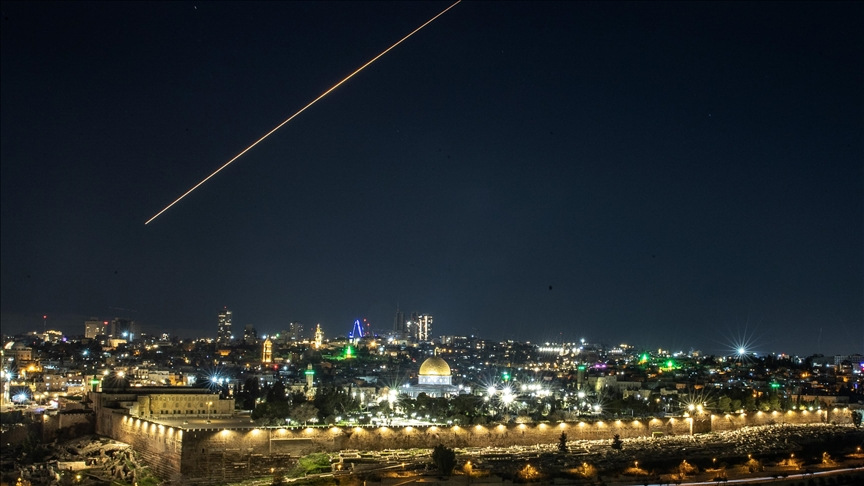
Even after the ceasefire announcement, missile alerts were reported in Jerusalem, highlighting the fragile nature of the agreement.
🔹 Political Pressure on Netanyahu
The ceasefire has intensified domestic political pressure on Netanyahu, particularly in an election year. Critics argue that the operation has not delivered its stated outcomes.
Opposition leader Yair Lapid described the situation as a major political failure, claiming Israel was not sufficiently involved in key decisions surrounding the ceasefire.
Meanwhile, analysts suggest Netanyahu may have overestimated the ability of military action to weaken Iran’s regime or force structural change.
🔹 Differing Views on Military Success
There is debate within Israel about whether the campaign achieved its practical aims:
- Some analysts say Iran’s military infrastructure and leadership were significantly weakened
- Others argue that core threats remain, particularly missile capabilities and nuclear development
Experts have also distinguished between “achievable goals” (such as damaging military assets) and “broader ambitions” like regime change, which were not realised.
🔹 Ceasefire Complications Over Lebanon
A major point of tension is whether the ceasefire includes Lebanon, where Israel has been fighting Hezbollah:
- Iran and some mediators say Lebanon should be covered
- Israel and the US say it is excluded
Following the ceasefire announcement, Israel carried out large-scale strikes in Lebanon, reportedly causing significant casualties and displacement.
Hezbollah has continued launching rockets into Israel, while Iran has warned of further escalation if attacks persist.
🔹 What Happens Next?
The future of the ceasefire depends on several uncertain factors:
- Whether Israel and Iran adhere to the agreement
- The outcome of US-Iran negotiations
- The potential for escalation in Lebanon
- Domestic political developments in Israel
Netanyahu has described the ceasefire as a temporary pause rather than a definitive end to the conflict, leaving open the possibility of renewed military action.
References
- BBC News. “Israel backs US-Iran ceasefire but Netanyahu’s war goals remain unfulfilled.” Published 8 April 2026.
- BBC News. Middle East conflict live updates and analysis. April 2026.
- Statements from Israeli government officials and international analysts reported by BBC News, April 2026.

